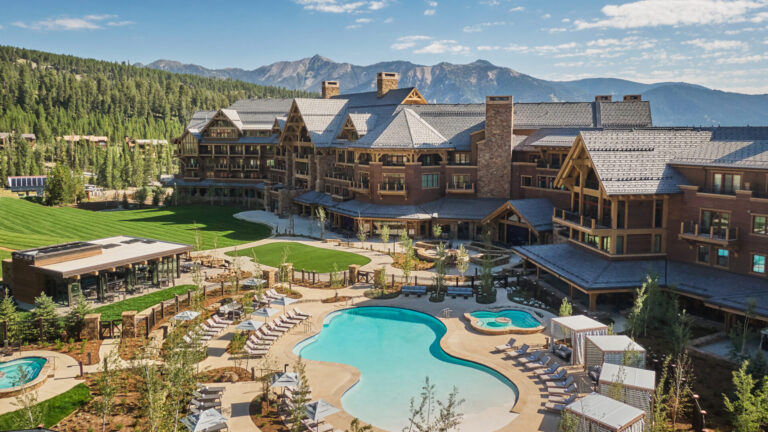
Unlock the Benefits of the Starwood Rewards Program Today
The Starwood Rewards Program, also known as the Starwood Preferred Guest (SPG), was one of the most influential hotel loyalty programs before it merged with Marriott Rewards. Even though the official branding has changed, the legacy of SPG continues to influence the way hotel loyalty programs operate today.
At its core, the program was designed to reward frequent travelers with points for every stay, offering them perks such as free nights, room upgrades, and exclusive member privileges. The Starwood Rewards Program was considered innovative because it didn’t just focus on accommodation; it extended benefits across experiences, travel partnerships, and lifestyle opportunities.
How the Program Worked
Members could enroll for free and begin earning points, known as Starpoints, for each eligible stay at Starwood hotels worldwide. These points could then be redeemed for free nights, upgrades, or even transferred to airline partners.
One unique feature of the program was its flexibility. Unlike other loyalty systems, Starpoints had one of the most favorable transfer ratios to airlines. In addition, the redemption options were broad, ranging from luxury hotel experiences to curated events, making it a favorite among savvy travelers.
Benefits of the Starwood Rewards Program
Earning Starpoints
Members accumulated Starpoints through stays, credit card spending, and promotional offers. The ability to earn from multiple channels made it easier for members to grow their balance and enjoy rewards faster.
Not only could you earn points on hotel stays, but also through dining programs and retail partnerships. This integration of lifestyle spending into a loyalty program was ahead of its time.
Redeeming Points for Maximum Value
Starpoints were often considered one of the most valuable hotel currencies. Redemption options were diverse, and many travelers found exceptional value when transferring points to airline miles. For every 20,000 points transferred, members received a bonus of 5,000 miles, making it a lucrative option for frequent flyers.
Free nights and room upgrades were also popular redemptions, especially at luxury properties where the value of each point was maximized.
Elite Status Perks
SPG had three elite tiers: Preferred, Gold, and Platinum. Higher tiers offered benefits such as late check-out, complimentary upgrades, and access to exclusive lounges. These perks elevated the overall travel experience and rewarded loyalty with tangible benefits.
Real-World Examples of the Starwood Rewards Program
Example 1: St. Regis New York
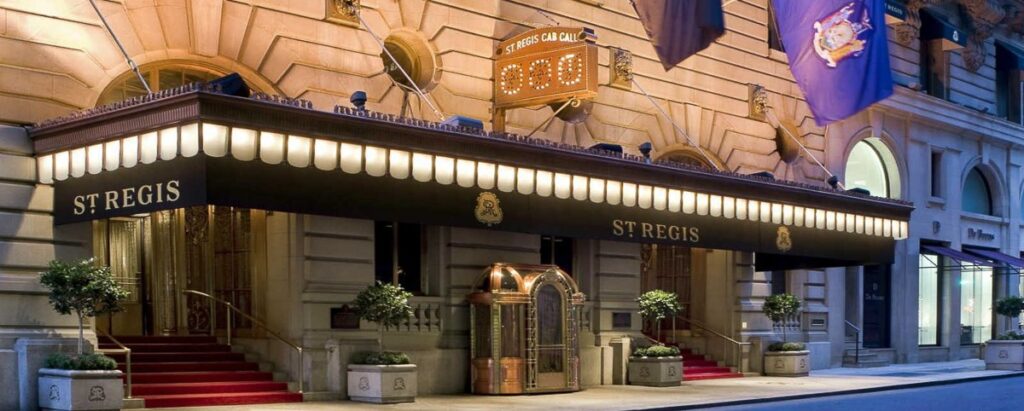
Members staying at this flagship property could use their Starpoints to book luxury suites that might otherwise cost thousands of dollars per night. Guests also enjoyed exclusive services such as butler service, making it a once-in-a-lifetime stay possible through rewards.
Example 2: W Bali – Seminyak

At W Bali, members could redeem points for ocean-view villas, enjoying benefits such as early check-in, late check-out, and discounted spa services. This highlighted the program’s ability to merge leisure with luxury at desirable destinations.
Example 3: Sheraton Tokyo Bay Hotel

For families, redeeming points here meant affordable access to spacious accommodations near Tokyo Disneyland. With perks like complimentary shuttle services and priority booking, families saved both money and hassle.
Example 4: Westin Excelsior Rome
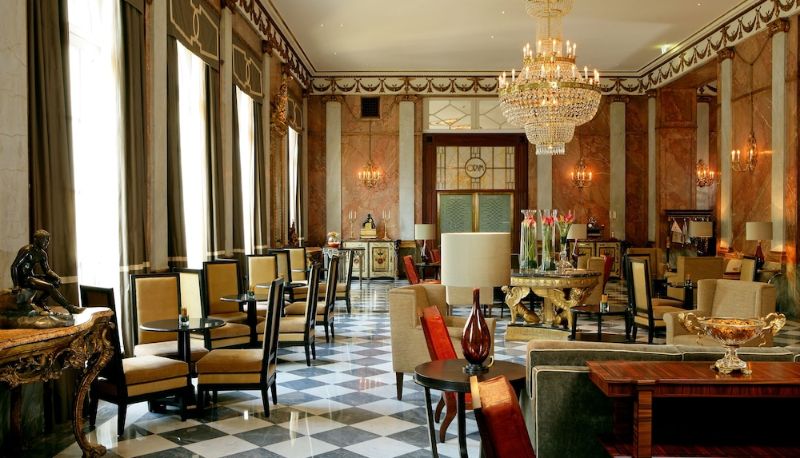
Starpoints enabled travelers to book this historic property, enjoying both the luxury of Italian hospitality and loyalty perks like room upgrades. The program turned aspirational travel into achievable experiences.
Practical Advantages of Using Technology in the Program
The Starwood Rewards Program made excellent use of technology through its mobile app and online platform. Members could track points, book stays, and redeem rewards seamlessly.
The integration of technology also allowed for personalized experiences. Members received tailored offers based on their travel history, making the program feel intuitive and customer-focused.
Use Cases in Real Life Situations
Frequent Business Travelers
For professionals constantly on the move, the SPG program provided reliable access to comfortable stays, late check-outs, and fast Wi-Fi, all while earning rewards for future leisure trips.
Families on Vacation
Families benefited from the ability to redeem points for spacious accommodations and amenities at family-friendly resorts. This often made vacations more affordable while still offering luxury experiences.
International Travelers
SPG’s airline partnerships were a game-changer for globetrotters. By transferring Starpoints into airline miles, members could reduce flight costs and enjoy more flexibility in planning their travels.
Why the Starwood Rewards Program Stood Out
What set the program apart was its combination of value, flexibility, and aspirational experiences. While many programs focused narrowly on free nights, SPG extended its ecosystem to dining, airlines, and events.
This comprehensive approach to loyalty inspired competitors and paved the way for the modern Marriott Bonvoy program, which inherited many of SPG’s best features.
Frequently Asked Questions
1. Is the Starwood Rewards Program still available?
The original program has been merged into Marriott Bonvoy, but many of the features and benefits from SPG were carried over.
2. What were Starpoints?
Starpoints were the currency of the SPG program. They could be earned from hotel stays, credit cards, and partners, and redeemed for a wide range of rewards.
3. Why was the program so popular?
Its popularity came from the high value of Starpoints, elite member perks, and the flexibility to transfer points to over 30 airline partners.