Starwood Resort A Comprehensive Guide to Luxury Hospitality
Starwood Resort has long been recognized as a symbol of premium hospitality, combining high-end amenities, innovative guest experiences, and global destinations that cater to both leisure and business travelers. With a rich history of operating under some of the world’s most prestigious hotel brands, Starwood carved its reputation by focusing on luxury, comfort, and cultural authenticity.
The resort group became known not only for its exceptional properties but also for creating an atmosphere where travelers could feel immersed in their surroundings. This meant that staying at a Starwood property was more than just about accommodation; it was about experiencing a lifestyle. Whether you were at a beachside resort, an urban hotel, or a secluded mountain retreat, the same promise of excellence was delivered.
What Makes Starwood Resort Stand Out

One of the most distinctive features of Starwood Resort was its dedication to innovation in the hospitality sector. From the beginning, the brand introduced programs and services designed to enhance the guest experience. Personalized service, attention to detail, and world-class facilities became the hallmark of the brand.
Moreover, Starwood was among the pioneers in launching comprehensive loyalty programs that allowed guests to accumulate rewards and enjoy exclusive perks across its global properties. This system elevated customer satisfaction and created strong brand loyalty, making Starwood a preferred choice for frequent travelers around the world.
Real-World Examples of Starwood Resort Experiences
The St. Regis Experience
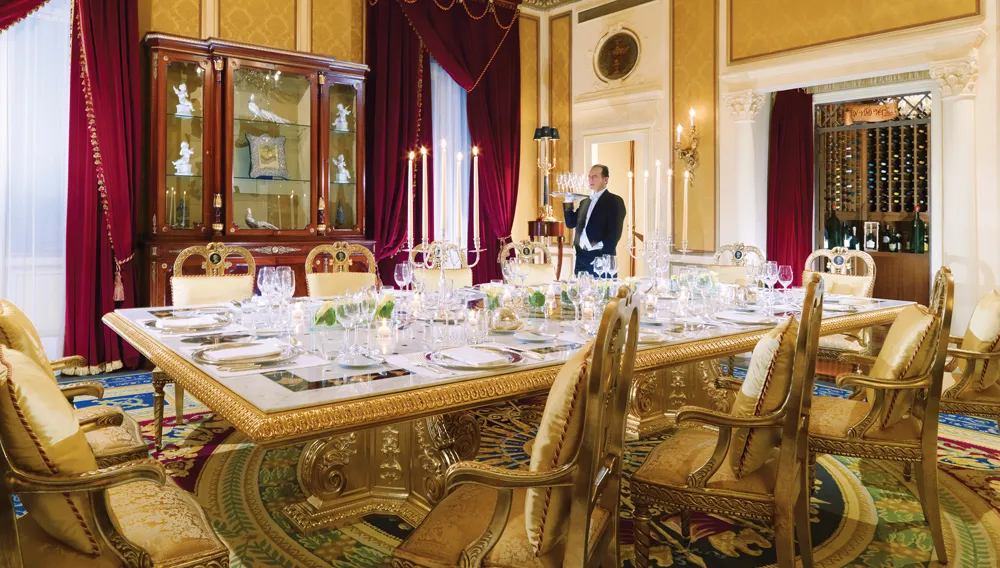
The St. Regis brand, part of Starwood’s luxury portfolio, epitomized opulence. Guests could indulge in butler service, exquisite dining options, and elegantly designed rooms that reflected timeless sophistication. St. Regis properties, such as those in New York, Bora Bora, and Aspen, became synonymous with world-class luxury.
The attention to detail, from customized services to unique local cultural integrations, highlighted the essence of Starwood’s philosophy. A stay at St. Regis was not just a visit; it was an unforgettable journey filled with exclusivity.
W Hotels
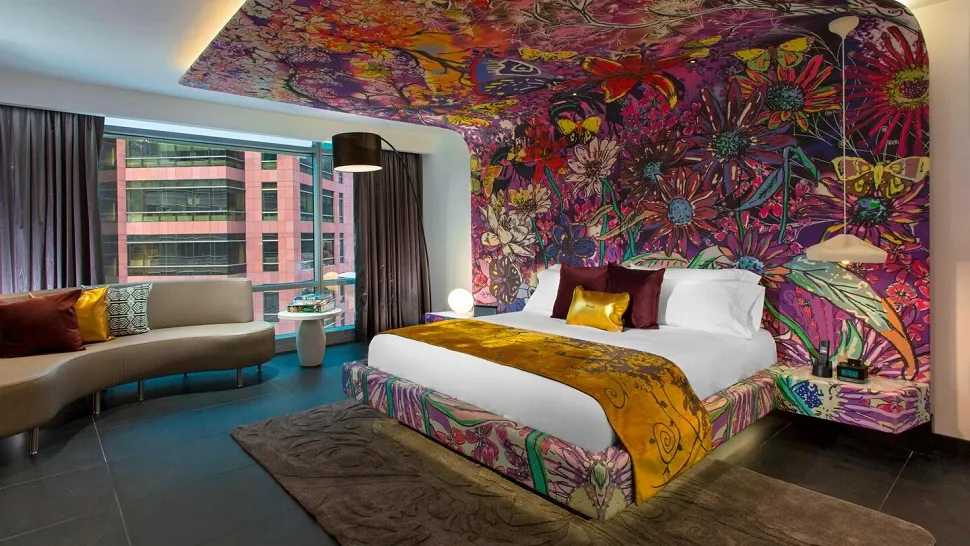
Another significant example from the Starwood family was W Hotels, which redefined what a modern lifestyle hotel could be. These properties emphasized vibrant design, contemporary art, and a social atmosphere that appealed to younger, trend-savvy travelers.
From iconic rooftop parties to innovative dining experiences, W Hotels combined luxury with energy. Guests who chose W Hotels weren’t just booking a stay,y they were entering a world of fashion, music, and cultural exploration.
Sheraton Hotels & Resorts
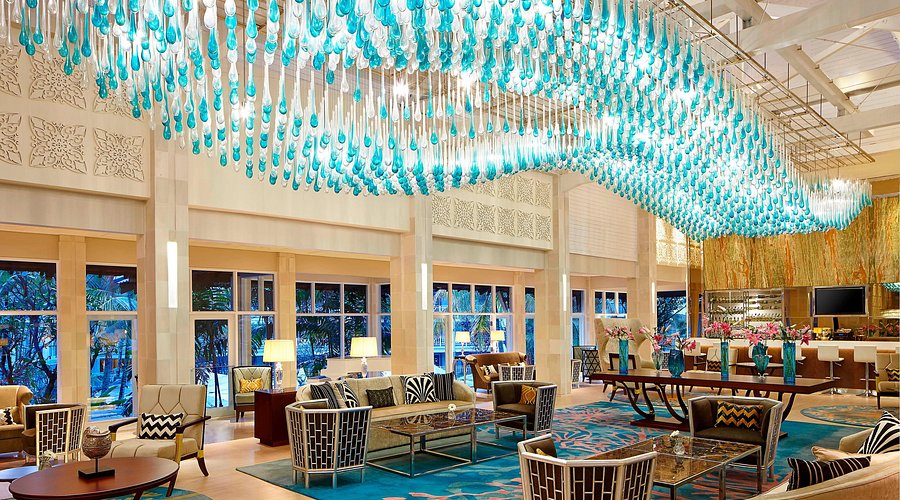
Sheraton stood as one of the most widely recognized brands under Starwood, catering to both business and leisure travelers. With a strong presence in major cities and popular tourist destinations, Sheraton properties delivered consistent quality, large conference facilities, and versatile spaces that made them popular among corporate groups and families alike.
What set Sheraton apart was its ability to blend familiarity with local culture. Travelers could enjoy the comfort of reliable service while still experiencing unique touches inspired by their destination.
The Luxury Collection
The Luxury Collection was a carefully curated portfolio of distinctive hotels that celebrated culture and history. From restored palaces to exclusive retreats, each property had its own story, architecture, and design. Guests who chose The Luxury Collection often sought more than just accommodation; they wanted immersion into heritage and authentic experiences.
This emphasis on individuality aligned perfectly with travelers who valued culture, history, and exclusivity. It reflected how Starwood created diverse experiences for different traveler preferences.
Benefits of Starwood Resort’s Approach to Hospitality
The benefits of Starwood Resort’s model in hospitality extended far beyond beautiful rooms. One of the key aspects was consistency in service standards across the globe. Whether you were traveling in Asia, Europe, or North America, the same promise of comfort and luxury awaited you.
Another major advantage was the integration of technology to enhance guest experiences. From mobile check-ins to personalized digital concierge services, Starwood embraced modern solutions that made stays seamless. This approach showed how hospitality brands could use technology not only to increase efficiency but also to improve comfort and satisfaction for their guests.
For business travelers, the convenience of extensive conference facilities and co-working environments was invaluable. Families, on the other hand, enjoyed dedicated spaces, child-friendly activities, and resort features designed to ensure relaxation for every member.
Use Cases: Why Starwood Resort Remains Relevant
Starwood Resort’s influence in hospitality can still be seen today, as many of its principles continue under the larger Marriott International umbrella. Here are a few practical use cases that highlight its real-world relevance:
Business Travel Solutions
For professionals, Starwood Resorts such as Sheraton or Westin offered ideal locations for conferences and meetings. These hotels provided comprehensive facilities, ensuring that business travelers could work effectively while enjoying the benefits of luxury hospitality.
Family Vacations
Families found Starwood Resorts to be convenient for multi-generational trips. With kid-friendly amenities, pools, and recreational spaces, parents could relax while children were entertained. Resorts like Westin and Sheraton offered packages tailored to families, making vacations stress-free.
Luxury Escapes
For couples seeking romantic getaways or honeymoon experiences, Starwood’s luxury portfolio, such as St. Regis or The Luxury Collection, provides secluded settings, personalized services, and unforgettable moments. These experiences offered more than luxury; they created lifelong memories.
Conclusion
Starwood Resort, with its diverse brands and innovative approach, set a benchmark in luxury and lifestyle hospitality. Whether it was through iconic brands like St. Regis, trend-forward W Hotels, reliable Sheraton, or culturally rich Luxury Collection properties, Starwood catered to a wide range of travelers with precision and excellence.
Its legacy continues to influence the global hospitality industry today, demonstrating how consistency, innovation, and guest-focused services remain at the heart of unforgettable travel experiences.
Frequently Asked Questions
1. What is Starwood Resort best known for?
Starwood Resort is best known for its diverse hotel portfolio, offering everything from luxury escapes to business-friendly accommodations, and for pioneering loyalty programs in the hospitality industry.
2. Which brands were part of Starwood Resort?
Brands under Starwood included St. Regis, W Hotels, Sheraton, The Luxury Collection, Westin, Le Méridien, Aloft, and more, each catering to different travel styles and preferences.
3. Does Starwood Resort still exist today?
Starwood Hotels & Resorts was acquired by Marriott International in 2016. While the Starwood name is no longer active, many of its iconic brands continue to operate under the Marriott portfolio.