Starwood Preferred Hotels Complete Guide to History, Benefits, and Real-World Travel Experiences
The name Starwood Preferred Hotels carries a legacy in the global hospitality industry. Once part of Starwood Hotels & Resorts Worldwide, this concept represented not just a network of hotels but a loyalty-driven travel culture. Known for its prestigious brands such as St. Regis, W Hotels, Sheraton, and Westin, the group became a preferred choice for both business and leisure travelers before merging into the Marriott Bonvoy program.
Understanding Starwood Preferred Hotels helps us trace how modern luxury travel and loyalty programs evolved. It is not merely about accommodations; it is about how customer recognition, rewards, and service innovation shaped the way people travel today.
The Legacy and Evolution of Starwood Preferred Hotels
Starwood Hotels & Resorts was founded in 1969 and grew rapidly by acquiring iconic brands that became staples of the luxury and upscale market. With its strong loyalty program, Starwood Preferred Guest (SPG), the company gained a reputation for rewarding frequent travelers with exclusive perks, flexible point systems, and unique lifestyle experiences.
The term “Starwood Preferred Hotels” came to symbolize the premier properties within this global portfolio. Guests often associated it with consistency, premium quality, and tailored services that went beyond traditional stays.
In 2016, Marriott International acquired Starwood Hotels & Resorts, which later led to the integration of SPG into the Marriott Bonvoy loyalty system. While the name Starwood Preferred Hotels is no longer in official use, its influence continues to be felt across today’s travel experiences.
Core Features of Starwood Preferred Hotels
Personalized Luxury Across Multiple Brands
Starwood brought together diverse hotel brands catering to different styles of travelers. From the glamour of St. Regis to the wellness-oriented Westin, the portfolio covered a wide spectrum. This ensured that guests always had tailored experiences depending on their preferences.
Recognition Through Loyalty Programs
One of the strongest features was the SPG program, which allowed guests to enjoy benefits like room upgrades, late check-outs, welcome gifts, and exclusive member experiences. This loyalty recognition built strong emotional connections between travelers and the brand.
Real-World Examples of Starwood Preferred Hotels
The St. Regis New York
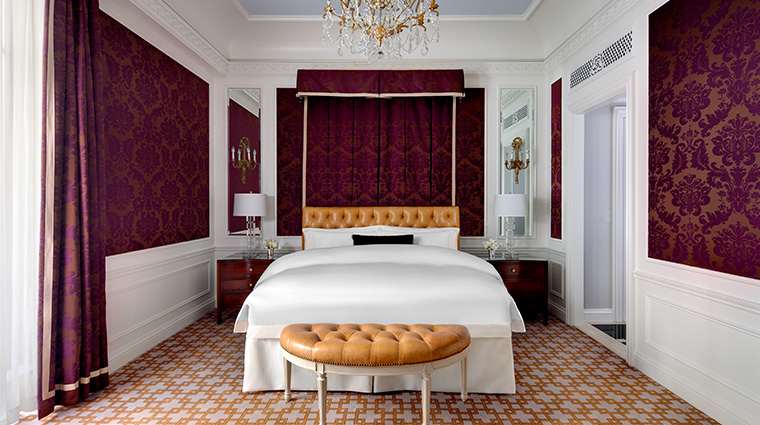
As one of the flagship properties under the Starwood portfolio, The St. Regis New York set the standard for timeless elegance. With its butler service, luxurious suites, and rich history, it symbolized what being a Starwood Preferred Hotel meant: exceptional, personalized hospitality.
W Barcelona

A striking hotel with a sail-like design by the Mediterranean Sea, W Barcelona reflected Starwood’s bold, modern approach to luxury. With vibrant nightlife, trend-setting design, and unmatched ocean views, this property exemplified how the brand catered to younger, lifestyle-oriented travelers.
Sheraton Grand Sydney Hyde Park
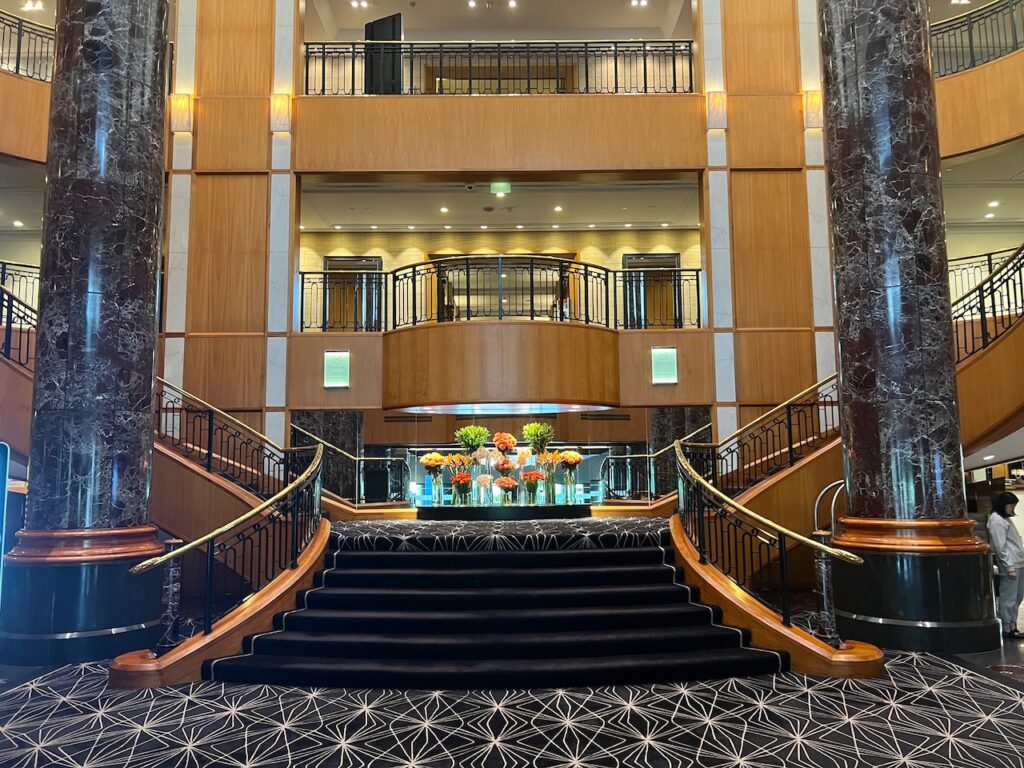
Sheraton, one of Starwood’s largest brands, offered a more accessible yet premium experience. The Sheraton Grand Sydney Hyde Park balanced comfort with business-friendly amenities, making it a go-to option for both corporate and leisure guests.
Westin Excelsior Rome
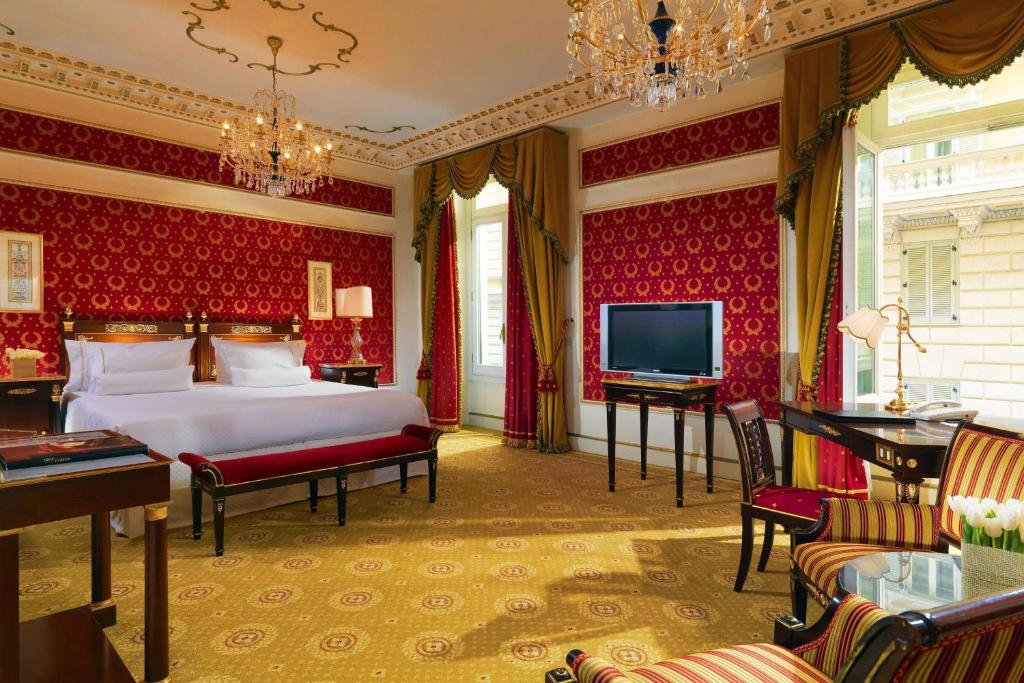
Westin hotels focused heavily on wellness and comfort. The Westin Excelsior Rome combined a rich historical setting with modern luxury. Signature touches such as the Heavenly Bed and wellness-focused dining menus reflected Starwood’s innovation in guest well-being.
Benefits of Technology Integration in Starwood Preferred Hotels
Starwood was ahead of its time when it came to adopting technology to enhance guest experiences.
Mobile Check-In and Room Access
Long before it became common across the industry, Starwood pioneered mobile check-in and keyless room entry via smartphones. This technology gave guests more independence and reduced wait times at reception.
Personalized Guest Preferences
The use of guest data allowed properties to personalize stays, whether by remembering room preferences, dietary restrictions, or even favorite welcome amenities. This created a sense of recognition and exclusivity that modern loyalty programs continue to emulate.
Practical Advantages of Starwood Preferred Hotels
Consistency Across the Globe
Guests could expect a consistent level of service and benefits across hundreds of properties worldwide. Whether staying in North America, Europe, or Asia, the sense of familiarity reassured frequent travelers.
A Diverse Portfolio for Every Type of Traveler
From luxurious resort escapes to business-focused city hotels, Starwood ensured travelers could find accommodations that matched their needs. This versatility was one of the main reasons for its global success.
Building Emotional Loyalty
Starwood created not just customers but passionate brand advocates. Many travelers fondly remember SPG as one of the most rewarding and customer-centric loyalty programs, an emotional connection that persists even after its merger with Marriott.
Real-Life Use Cases of Starwood Preferred Hotels
Business Travelers
Frequent flyers valued Starwood properties for their strategic locations in city centers, reliable Wi-Fi, meeting facilities, and consistent loyalty perks like late check-outs. These advantages made business trips smoother and more predictable.
Leisure and Luxury Seekers
Vacationers benefited from Starwood’s luxury brands like St. Regis and W Hotels. Redeeming loyalty points for stays allowed travelers to experience high-end service without extra cost, elevating family vacations, honeymoons, or solo escapes.
Health and Wellness Enthusiasts
Westin Hotels became particularly important for wellness-conscious travelers. With features like fitness studios, healthy dining menus, and ergonomic room designs, they showed how hospitality could align with lifestyle needs.
Frequently Asked Questions
1. What were Starwood Preferred Hotels?
They referred to premium properties within the Starwood Hotels & Resorts portfolio, recognized for their quality, consistency, and integration with the Starwood Preferred Guest loyalty program.
2. Do Starwood Preferred Hotels still exist today?
The brand name no longer exists following the 2016 Marriott acquisition. However, many of the properties and benefits are now part of the Marriott Bonvoy program.
3. Why were Starwood Preferred Hotels popular among travelers?
They combined luxurious accommodations, innovative loyalty rewards, and consistency across brands worldwide, making them a preferred choice for both business and leisure guests.