Experience the Elegance of Starwood Hotels & Resorts Worldwide
Starwood Hotels & Resorts Worldwide was one of the most renowned hospitality groups in the world, representing innovation, luxury, and global reach. Known for its wide collection of hotel brands, Starwood became synonymous with delivering memorable guest experiences and shaping the future of travel. Its portfolio included iconic names like Sheraton, Westin, W Hotels, St. Regis, Le Méridien, Four Points, and Aloft.
From high-end luxury escapes to accessible mid-scale accommodations, Starwood Hotels & Resorts caters to diverse traveler needs. The brand’s commitment to design, service, and lifestyle integration ensured its position as a pioneer in global hospitality until it merged with Marriott International in 2016.
The History and Legacy of Starwood Hotels & Resorts
Starwood Hotels & Resorts began as a visionary brand that sought to redefine hospitality standards. Over time, the company grew into a powerhouse by acquiring established hotel chains and creating new concepts that resonated with travelers worldwide.
Its legacy lies in its ability to balance consistency with individuality. Each hotel brand under Starwood had its own identity while sharing a commitment to exceptional service. This approach allowed the group to capture multiple markets at once: business, leisure, wellness, and lifestyle travelers. Even after becoming part of Marriott, the distinctiveness of Starwood Hotels & Resorts continues to influence hospitality practices today.
What Made Starwood Hotels & Resorts Stand Out
Brand Diversity and Market Reach
One of the greatest strengths of Starwood Hotels & Resorts was its broad portfolio. From Sheraton’s global accessibility to St. Regis’ unmatched elegance, the brand offered something for everyone. Travelers could rely on Starwood for everything from quick business stays to indulgent resort escapes.
This wide range of brands ensured that Starwood could meet the needs of travelers across different budgets and expectations, all while maintaining a high standard of service.
Innovation and Guest-Centric Approach
Starwood was known for pioneering new ideas in the hospitality industry. It introduced lifestyle-focused hotels, wellness initiatives, and digital innovations that changed how people experienced travel. Guests were not just accommodated but engaged in experiences that reflected culture, wellness, and modern living.
Real-World Examples of Starwood Hotels & Resorts
Example 1: St. Regis New York

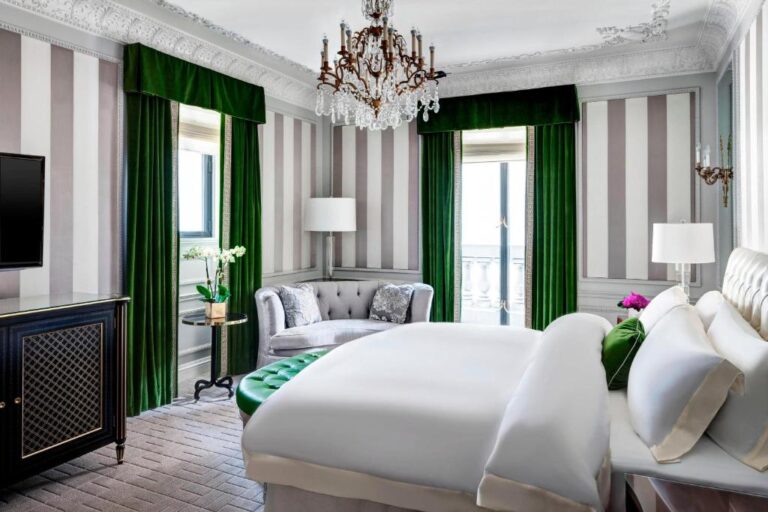
St. Regis New York is a shining example of timeless luxury. Known for its butler service, exquisite design, and historical significance, the hotel embodies the high standards that defined Starwood’s luxury segment. Guests are treated not just to accommodation but to a curated lifestyle experience rooted in elegance and sophistication.
Example 2: W Barcelona

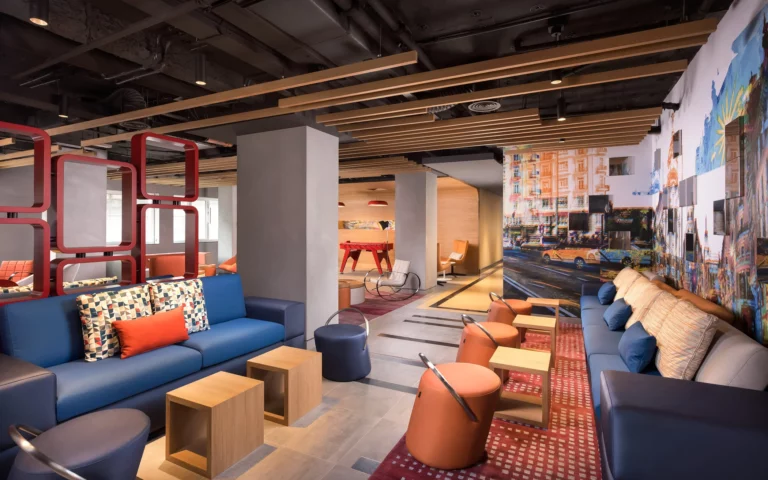
The W brand represented Starwood’s bold innovation. W Barcelona, with its striking architecture and vibrant social spaces, redefined contemporary hospitality. It attracted travelers who valued design, energy, and lifestyle. The hotel became a landmark destination in itself, showcasing how Starwood reshaped urban hospitality.
Example 3: Sheraton Grand Sydney Hyde Park

Sheraton was Starwood’s cornerstone brand, known for global accessibility and consistent quality. The Sheraton Grand Sydney Hyde Park reflects the brand’s balance of comfort, business functionality, and prime location. It remains a trusted choice for business travelers and families alike.
Example 4: Westin Maui Resort & Spa

Westin highlighted Starwood’s commitment to wellness and relaxation. At Westin Maui Resort & Spa, guests enjoy the “Heavenly Bed” experience, spa treatments inspired by local traditions, and wellness programs designed to rejuvenate the body and mind. This approach made Westin stand out as a wellness-focused hospitality leader.
Example 5: Le Méridien Maldives Resort & Spa

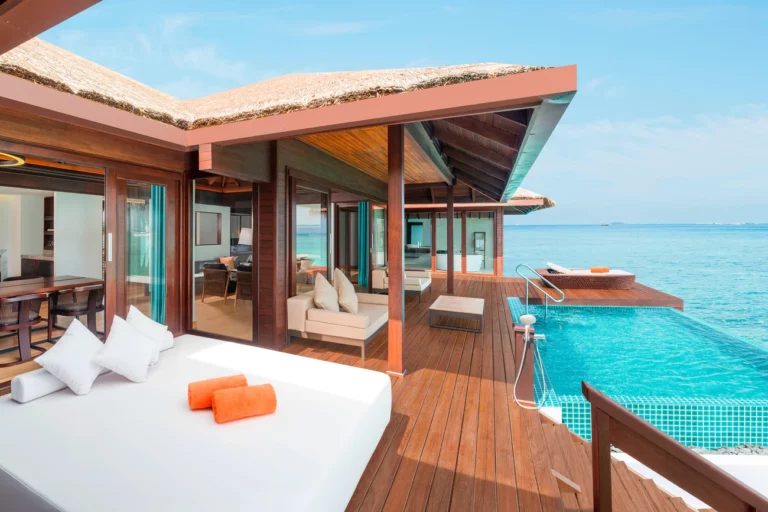
Le Méridien brought a sense of art and culture to the Starwood portfolio. At its Maldives resort, guests experience world-class amenities paired with cultural touches, contemporary design, and immersive experiences. The property reflects Starwood’s ability to blend luxury with local character.
How Technology Enhanced Starwood Hotels & Resorts
Starwood was an early adopter of hospitality technology. It introduced mobile check-in, digital room keys, and guest apps that simplified the entire travel experience. With these innovations, guests could check in from their phones, unlock doors without a card, and communicate directly with hotel staff.
This seamless integration of technology reduced friction and allowed staff to focus on personalized service. For travelers, it meant more control, convenience, and a stress-free stay, proving that luxury and technology could complement each other.
Practical Benefits of Choosing Starwood Hotels & Resorts
Consistency and Trust
Travelers knew they could rely on Starwood properties for consistent quality, regardless of location. This trust built strong brand loyalty and encouraged repeat stays across different destinations.
Lifestyle and Wellness Integration
With Westin’s wellness initiatives and W Hotels’ lifestyle-centered approach, Starwood ensured that travel was more than just a stay; it became a holistic experience. Guests could prioritize their health, enjoy cultural immersion, and engage in unique local experiences.
Loyalty Rewards
Through the Starwood Preferred Guest (SPG) program, members enjoyed exclusive benefits such as free stays, upgrades, and airline partnerships. This reward structure significantly enhanced the value of staying with Starwood and cemented customer loyalty.
Use Cases in Real Life Situations
Business Travelers
Starwood Hotels & Resorts was a natural fit for business professionals. With properties located in key business districts, equipped with modern conference facilities and connectivity, they offered the perfect balance of work and comfort.
Family Vacations
Families benefited from spacious rooms, family-oriented amenities, and safe, enjoyable environments. Resorts like Sheraton Maldives and Westin Maui became popular family destinations, offering kids’ clubs and activities alongside luxury for parents.
Romantic Escapes
Couples searching for unforgettable experiences found them at St. Regis and W Hotels. Private villas, personalized butler services, and curated dining created the perfect settings for honeymoons, anniversaries, or romantic retreats.
The Lasting Impact of Starwood Hotels & Resorts
Though Starwood Hotels & Resorts merged with Marriott International, its legacy continues to shape the hospitality industry. Many of its flagship brands still thrive under Marriott Bonvoy, carrying forward Starwood’s innovations in wellness, technology, and lifestyle integration.
The name may have changed, but the essence of Starwood Hotels & Resorts lives on, influencing how modern travelers expect luxury and personalized hospitality.
Frequently Asked Questions
1. What happened to Starwood Hotels & Resorts?
In 2016, Starwood Hotels & Resorts merged with Marriott International, creating the world’s largest hotel company. Its brands now operate under the Marriott Bonvoy program.
2. Which brands were part of Starwood Hotels & Resorts?
Some of the most notable brands included Sheraton, Westin, St. Regis, W Hotels, Le Méridien, Four Points by Sheraton, and Aloft.
3. Can travelers still enjoy Starwood’s loyalty benefits?
The Starwood Preferred Guest (SPG) program was merged into Marriott Bonvoy. Members can still enjoy similar benefits, such as free nights, upgrades, and loyalty rewards, through Marriott’s program.