Starwood Hotels and Resorts Complete Guide to Legacy and Impact
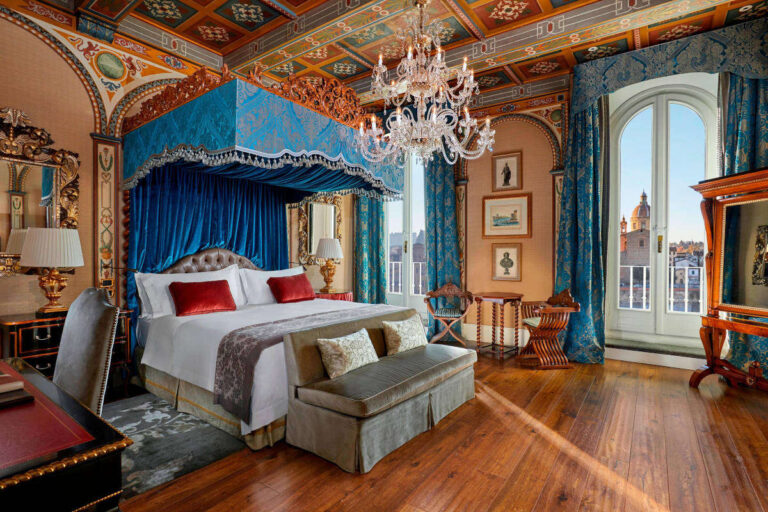
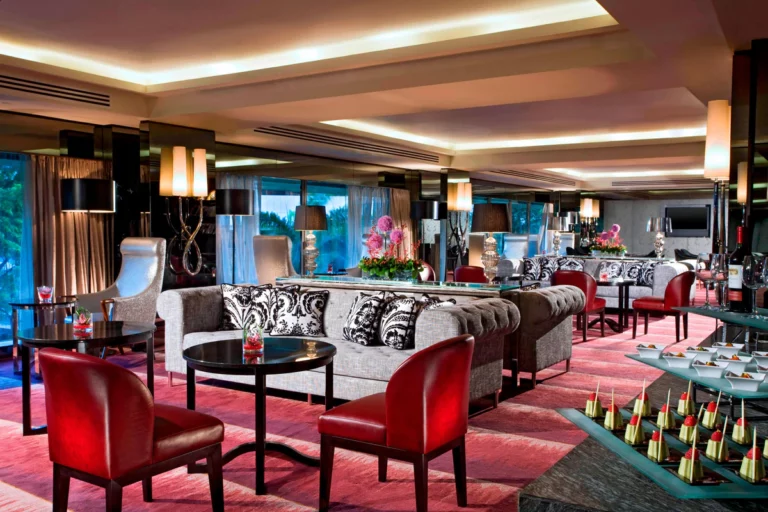
Starwood Hotels and Resorts was once one of the most influential names in the hospitality industry. Founded in 1969, it grew into a global powerhouse with more than a thousand properties spread across nearly 100 countries. Known for luxury, innovation, and a portfolio of iconic brands, Starwood reshaped the way travelers experienced hotels.
From its upscale chains like St. Regis and The Luxury Collection to lifestyle-driven brands such as W Hotels and Aloft, Starwood created a diverse ecosystem for every type of traveler. Its strong loyalty program, Starwood Preferred Guest (SPG), also revolutionized how frequent guests earned and redeemed rewards, making it one of the most beloved hotel programs before merging with Marriott International in 2016.
The Legacy of Starwood Hotels and Resorts
Starwood didn’t just operate hotels; it created experiences. Each brand in its portfolio reflected a unique identity, ensuring that guests could find a property that matched their travel style. Luxury travelers often gravitated toward The St. Regis, while millennials preferred the energy and modern design of W Hotels.
The company also pioneered technology integration in hospitality. Starwood was one of the first hotel groups to embrace mobile check-in, keyless room entry, and personalized guest apps. These innovations set new standards for the industry, influencing how hotels worldwide approached guest convenience and digital service.
Real-World Examples of Starwood Hotels and Resorts
Example 1: St. Regis New York
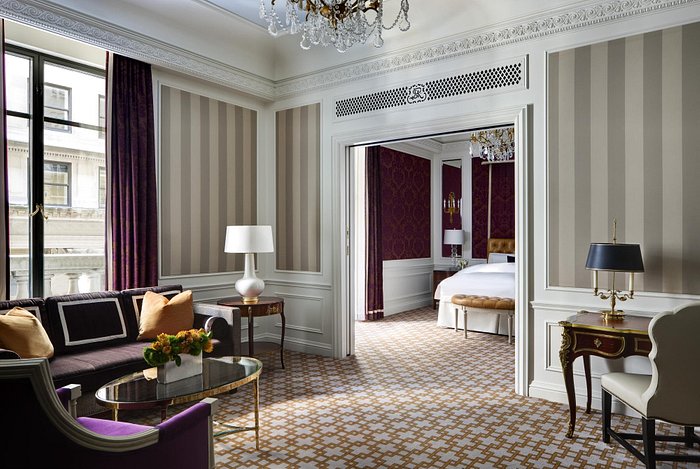
The St. Regis New York stands as one of Starwood’s most iconic properties. Known for timeless luxury, the hotel embodied the brand’s focus on elegance and world-class service. Guests enjoyed the signature St. Regis Butler Service, offering personalized assistance from unpacking luggage to organizing special experiences.
This property showed how Starwood maintained a consistent brand identity while delivering services that created lasting guest loyalty. The St. Regis became a benchmark for luxury travel, influencing competitors and setting high standards across the globe.
Example 2: W Barcelona
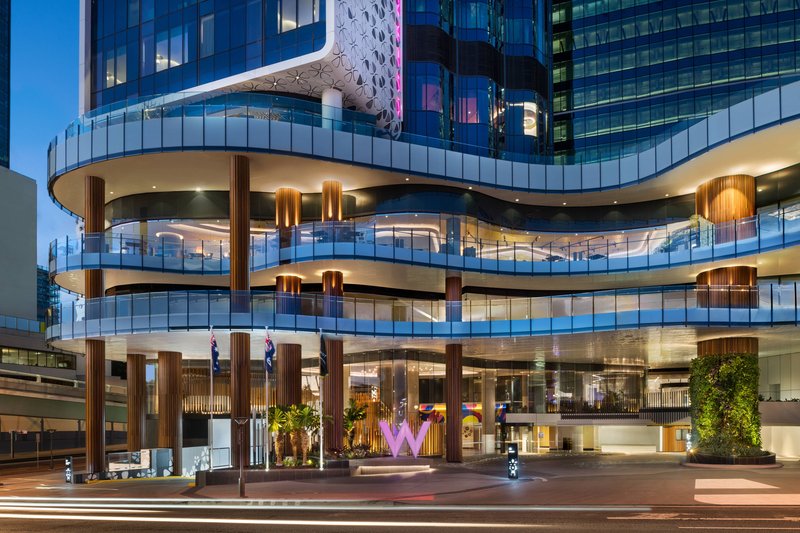
W Hotels redefined hospitality with a focus on vibrant, trend-forward experiences. W Barcelona, with its sail-shaped structure by the beach, became a global symbol of modern design. The hotel combined nightlife, fashion, and urban culture into one destination.
Guests didn’t just stay at W Barcelona; they became part of a lifestyle. The mix of rooftop parties, contemporary dining, and sleek architecture reflected how Starwood targeted younger, experience-driven travelers. It was a bold departure from traditional hotel luxury, showcasing Starwood’s ability to innovate.
Example 3: Sheraton Grand Sydney Hyde Park

Sheraton, one of Starwood’s largest and oldest brands, represented reliability and global recognition. The Sheraton Grand Sydney Hyde Park highlighted the chain’s ability to balance business and leisure. With expansive meeting facilities and luxury accommodations, the hotel became a hub for conferences and events.
Starwood leveraged the Sheraton brand to appeal to international travelers who sought comfort, consistency, and prime locations. Its presence in major cities worldwide made it a go-to option for both corporate and leisure guests.
Example 4: Aloft Kuala Lumpur Sentral

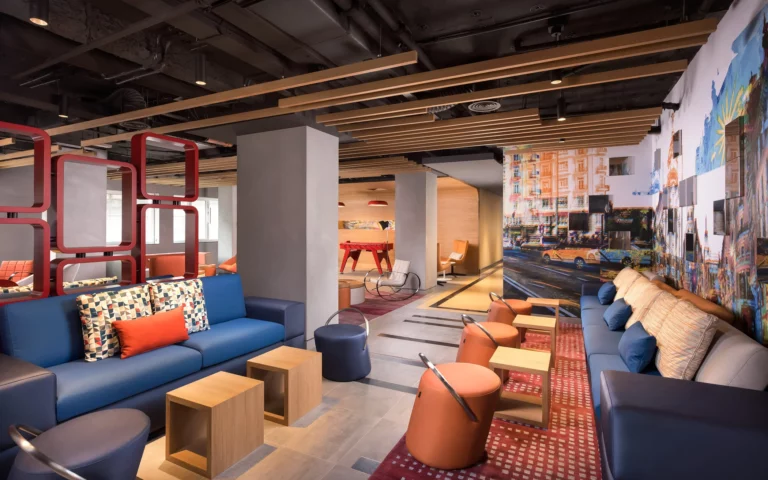
Aloft Hotels emerged as Starwood’s answer to modern, budget-conscious travelers seeking style. The Aloft Kuala Lumpur Sentral demonstrated how Starwood infused affordable stays with chic design and tech-driven convenience. From smart lounges to music-focused events, Aloft properties cater to a younger demographic.
This brand showed Starwood’s forward-thinking approach to hospitality by recognizing changing traveler needs. The integration of urban culture and technology-driven services made Aloft a disruptor in the mid-range hotel market.
Example 5: The Luxury Collection, Bali

The Luxury Collection was a portfolio of unique hotels that reflected local culture and heritage. A property in Bali exemplified this approach by combining traditional Balinese architecture with modern amenities. Guests were immersed in local art, cuisine, and traditions while still enjoying five-star comfort.
This use case proved that Starwood could blend global standards with authentic local experiences, giving travelers a sense of place rather than just another luxury stay.
The Role of Technology in Starwood Hotels and Resorts
Starwood embraced technology earlier than many of its competitors. The company introduced SPG Keyless, allowing guests to unlock their rooms with smartphones. This innovation not only streamlined check-in processes but also reflected the shift toward contactless service long before it became the norm.
Starwood also developed mobile apps for reservations, loyalty tracking, and concierge services. Guests could make special requests, book amenities, or even communicate directly with hotel staff digitally. These innovations set the stage for the modern “smart hotel” experience and were later adopted by Marriott and other global chains.
Benefits of Starwood Hotels and Resorts for Travelers
The primary advantage of Starwood Hotels and Resorts was its diverse brand portfolio. From luxury to lifestyle, business to budget-conscious, travelers could find a Starwood property that fits their preferences. This versatility made Starwood a one-stop solution for different travel needs.
Another major benefit was the SPG loyalty program. Members not only earned points on hotel stays but could also transfer them to numerous airline partners. This flexibility made SPG points some of the most valuable in the travel industry. For frequent travelers, this meant enjoying free nights, upgrades, and even flights with relative ease.
Practical Use Cases of Starwood Hotels and Resorts
-
Luxury Seekers: Guests wanting timeless elegance could stay at St. Regis or The Luxury Collection.
-
Young Travelers: W Hotels and Aloft provided energetic, trend-forward experiences.
-
Business Travelers: Sheraton catered to professionals needing conference facilities and city-center locations.
-
Cultural Explorers: The Luxury Collection properties connected guests with local heritage and unique destinations.
These use cases highlight how Starwood wasn’t just a hotel group but a lifestyle curator, solving problems for diverse traveler profiles and enhancing the overall travel journey.
FAQs about Starwood Hotels and Resorts
1. What happened to Starwood Hotels and Resorts?
Starwood Hotels and Resorts merged with Marriott International in 2016, creating the world’s largest hotel company. Its brands became part of the Marriott Bonvoy portfolio.
2. Which brands were part of Starwood Hotels and Resorts?
The portfolio included St. Regis, The Luxury Collection, W Hotels, Sheraton, Westin, Aloft, and others. Each brand targeted different segments of travelers.
3. Why was the Starwood Preferred Guest (SPG) program so popular?
SPG was loved for its flexibility, high-value points, and wide range of airline transfer partners. It provided travelers with more choices than most other hotel loyalty programs at the time.