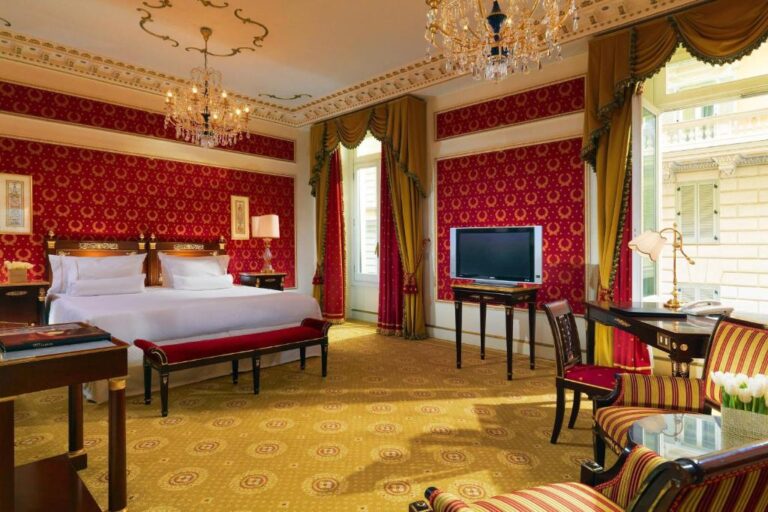
Marriott Starwood Preferred Guest Complete Guide to Loyalty, Benefits, and Real-World Travel Experiences
The hospitality world has gone through significant transformations over the past decade, and one of the most remarkable changes happened when Marriott International acquired Starwood Hotels & Resorts. This move brought together two giant loyalty programs: Marriott Rewards and Starwood Preferred Guest (SPG). The merger was not just a business deal; it reshaped how millions of travelers engage with hotel loyalty programs worldwide.
For frequent travelers, business professionals, and leisure guests, understanding the Marriott Starwood Preferred Guest program is essential. It opened up a wider hotel portfolio, expanded elite benefits, and delivered a streamlined yet powerful loyalty ecosystem.
The Evolution of Starwood Preferred Guest into Marriott Bonvoy
Starwood Preferred Guest, often known as SPG, was once one of the most beloved loyalty programs in the hotel industry. Known for generous point earnings, elite recognition, and unique redemption opportunities, SPG had a loyal fan base that valued its flexibility.
When Marriott acquired Starwood in 2016, the big question was how these two programs would combine. By 2019, Marriott Rewards, Ritz-Carlton Rewards, and SPG were officially unified into Marriott Bonvoy, a single loyalty platform covering more than 7,000 properties worldwide.
This integration offered members greater choice, access to luxury and lifestyle brands, and consistency in benefits. However, it also meant that some features changed, like redemption values and elite qualification requirements, so travelers had to adapt to a new structure.
Key Benefits of the Marriott Starwood Preferred Guest Integration
Access to an Extensive Hotel Portfolio
The merger expanded the number of hotels under one program, including premium brands like St. Regis, W Hotels, Sheraton, The Ritz-Carlton, and JW Marriott. Travelers gained more options across luxury, lifestyle, and business-friendly accommodations.
Unified Elite Status Tiers
With the unified program, members enjoy tiered elite benefits such as late check-out, room upgrades, welcome gifts, and access to lounges. This ensures consistency across multiple hotel brands, whether you are staying at a city property or a beach resort.
More Ways to Earn and Redeem Points
Points can be earned not only through hotel stays but also with credit card partnerships, flights, and experiences. Redemption options range from free nights to exclusive events, creating a more versatile and rewarding loyalty ecosystem.
Real-World Examples of Marriott Starwood Preferred Guest Hotels
The St. Regis New York

A historic property under the former SPG umbrella, The St. Regis New York continues to set benchmarks for luxury. Guests can use loyalty points for stays at this iconic hotel, enjoying personalized butler service, elegant rooms, and its Fifth Avenue location. This showcases how the SPG heritage lives on within Marriott Bonvoy.
W Barcelona

Known for its striking sail-like architecture and vibrant atmosphere, W Barcelona is a favorite for travelers who appreciate modern luxury. As part of the SPG legacy, W Hotels brought a youthful energy to the loyalty program, and now guests can enjoy this experience with Marriott’s unified point system.
Sheraton Grand London Park Lane

As one of the oldest Starwood brands, Sheraton hotels became a familiar choice for business and leisure travelers alike. Today, properties like the Sheraton Grand London Park Lane continue to offer comfortable stays while integrating elite benefits from the Marriott Bonvoy program.
The Ritz-Carlton Kyoto

The Ritz-Carlton brand, originally part of Marriott, became accessible to SPG members after the merger. The Ritz-Carlton Kyoto offers a blend of Japanese tradition with international luxury, highlighting how the integration expanded SPG travelers’ access to exclusive properties.
Practical Advantages of the Program
Greater Flexibility for Travelers
Travelers now have more freedom when planning trips, whether choosing a city business hotel, a resort getaway, or a boutique lifestyle property. The program ensures that members can use their points effectively across diverse travel needs.
Enhanced Recognition for Loyal Guests
Elite members enjoy room upgrades, free breakfast in some cases, priority late check-outs, and other perks. This recognition makes frequent travel more comfortable and rewarding.
Consistency Across Brands
With multiple hotel brands now under one umbrella, travelers no longer need to manage multiple loyalty accounts. This simplifies planning and ensures benefits remain consistent worldwide.
Real-Life Use Cases and Why It Matters
Business Travelers
For professionals who travel frequently for work, the Marriott Starwood Preferred Guest integration means access to thousands of hotels in key cities. This reduces the hassle of inconsistent benefits and provides reliable comfort during business trips.
Luxury Vacationers
Families and couples who prioritize luxury travel benefit from access to high-end brands like St. Regis and Ritz-Carlton. Redeeming points for these stays allows travelers to experience world-class service without excessive out-of-pocket costs.
Global Explorers
Adventurers exploring multiple continents appreciate the extensive portfolio. Whether staying in Europe, Asia, or the Americas, travelers enjoy familiar benefits while immersing themselves in diverse cultures.
Frequently Asked Questions
1. What happened to Starwood Preferred Guest (SPG)?
SPG was merged with Marriott Rewards and Ritz-Carlton Rewards to form Marriott Bonvoy in 2019. Members’ points and elite status were transferred to the unified program.
2. Can I still use my SPG points?
SPG points have been fully converted into Marriott Bonvoy points. Members can continue redeeming them for hotel stays, flights, and experiences within the Bonvoy ecosystem.
3. What makes Marriott Bonvoy different from SPG?
While SPG was beloved for its elite recognition and flexibility, Marriott Bonvoy offers a wider hotel portfolio, more earning and redemption opportunities, and a globally consistent program.